Key Takeaways
- Technological advancements are introducing new complexities in personal injury cases.
- Legislative reforms are reshaping the legal landscape for personal injury claims.
- Societal shifts are influencing the types and frequency of personal injury cases.
Table of Contents
- Technological Advancements Impacting Personal Injury Cases
- Legislative Reforms Reshaping Personal Injury Law
- Societal Shifts Influencing Personal Injury Trends
- Conclusion
Personal injury law is evolving rapidly as it is shaped by innovative technology, legislative updates, and changes in societal attitudes. For anyone navigating a personal injury case or working in the legal profession, keeping up with these rapid changes is essential in order to achieve the best outcomes. If you are hurt in an accident or need legal advice, consulting experienced Natick personal injury attorneys can help you understand how modern trends might affect your case. These professionals not only respond to legal shifts, but also leverage new tools and knowledge to better serve their clients.
Recent years have seen technology transform the courtroom and the claims process. Social and economic trends are also contributing to new types of injury cases. From mental health claims to gig economy complications, understanding how these factors intersect with the law gives claimants a significant advantage. Meanwhile, legislative reforms continue to update the rules, changing how cases are settled and litigated.
Alongside the more obvious changes, personal injury law continues to adapt to an increasingly global and mobile society. With more people working remotely and conducting business across state and national borders, legal questions about jurisdiction and liability have grown more complex. Not only must attorneys consider local statutes, but they must also keep international norms and cross-border legal precedents in mind, especially where foreign products or companies are implicated in injury cases.
Technological Advancements Impacting Personal Injury Cases
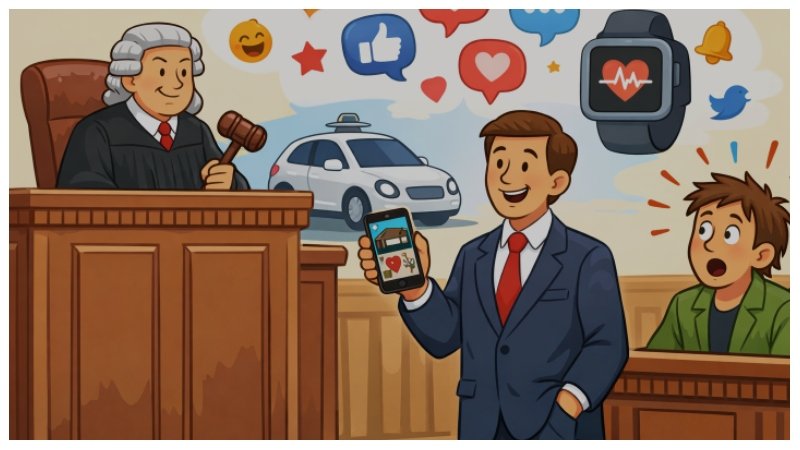
Technology is fundamentally changing how personal injury cases are investigated, litigated, and resolved. The increasing use of autonomous vehicles, for instance, has introduced new kinds of liability questions. When an automated system is at the wheel during a crash, courts must determine whether responsibility lies with the driver, the manufacturer, or the software developer. These new scenarios can make cases more complex and require specialized knowledge to navigate.
In addition, everyday digital technology like smartphones and social media platforms now play a crucial role in many cases. Courts are increasingly accepting text messages, location data, and video footage as evidence. Social media posts can be used to validate claims, dispute timelines, or even question a claimant’s credibility. Legal professionals need to understand both the relevance and the potential pitfalls of digital evidence. Ongoing developments in artificial intelligence and data analytics also offer new ways to analyze accident data and reconstruct events, leading to more precise case outcomes.
Additionally, wearable health technologies, such as fitness trackers and smartwatches, are increasingly common sources of evidence in personal injury litigation. These devices can provide objective data about activity levels and physical conditions both before and after an injury, supporting or disputing claims. With data privacy at the forefront, courts and attorneys must carefully navigate how such data is gathered, disclosed, and interpreted. This area is expected to keep evolving as new devices and apps enter the market, further influencing personal injury cases.
Legislative Reforms Reshaping Personal Injury Law
Every year, legislatures across the U.S. make adjustments to laws that govern personal injury claims. In Georgia, a pivotal change to O.C.G.A. § 9-11-67.1 has altered the process for pre-suit settlement demands in motor vehicle personal injury matters. These amendments now affect not just the timing of claims, but also the specificity required in documentation and the way cases are negotiated before they reach the courtroom. Claimants must be much more precise in their settlement letters, making it vital to work with attorneys who understand local law changes in real time.
Many states are also evaluating statute of limitation periods, caps on damages, and procedures for handling mass torts. With medical malpractice and product liability cases on the rise, reforms are continuously being debated. These changes reflect efforts to balance efficient legal processes with fairness for injured individuals. For an expanded look at recent legal reforms, see the analysis from ABA Journal.
Notably, federal policies are also shifting in areas such as health care, insurance coverage, and consumer protection. This can have a ripple effect across the personal injury field, as attorneys must stay up to date on not only state but also national legislative trends. Proposed changes to health care laws and insurance regulations may redefine eligibility for compensation, claim filing deadlines, and the calculation of damages. These ongoing debates will continue to shape the legal landscape, requiring vigilance from lawyers and claimants alike.
Societal Shifts Influencing Personal Injury Trends
Social factors are impacting the numbers and types of personal injury claims filed each year. One major trend is the increased recognition of mental and emotional distress injuries. Courts in many jurisdictions are now more willing to award damages for psychological harm, even when physical injuries are less severe. This reflects an ongoing shift in public awareness around issues such as anxiety, PTSD, and depression, leading to higher rates of successful mental health-related claims.
Another significant change is the continued growth of the gig economy. As companies rely more on freelance and contract workers, questions around worker classification and benefits have become more complicated. Traditional job injury claims often fall under workers’ compensation; however, many gig workers are not formally covered. This blurring of boundaries has sparked legal challenges, as more independent contractors seek protections and compensation for on-the-job injuries. Adapting to these shifts requires an understanding of evolving labor law and insurance requirements.
Furthermore, public attitudes surrounding personal responsibility and safety awareness are shaping jury decisions and influencing case settlement values. Plaintiff behavior, safety precautions taken, and the transparency of communication between parties all play larger roles now than in previous decades. With society becoming more vocal about inclusivity and access to justice, personal injury law continues to grow more responsive to the needs of marginalized groups, including those facing discrimination in traditional compensation systems.
Conclusion
The world of personal injury law will continue to see major disruption as technology advances, laws are updated, and society changes the way it views injury and fault. For anyone with a potential claim or those helping clients navigate the system, staying updated on these developments is essential for success. Legal professionals who adapt to new challenges are best placed to secure favorable outcomes for their clients in 2026 and beyond. Click here for more information.
As the field grows in complexity and scope, those involved in personal injury law must remain proactive, informed, and client-focused. Establishing partnerships with specialized experts, keeping pace with legal precedents, and leveraging digital innovation can make the critical difference in achieving justice and fair compensation. Ultimately, continuous learning and adaptability are the keys to thriving in this dynamic legal landscape.