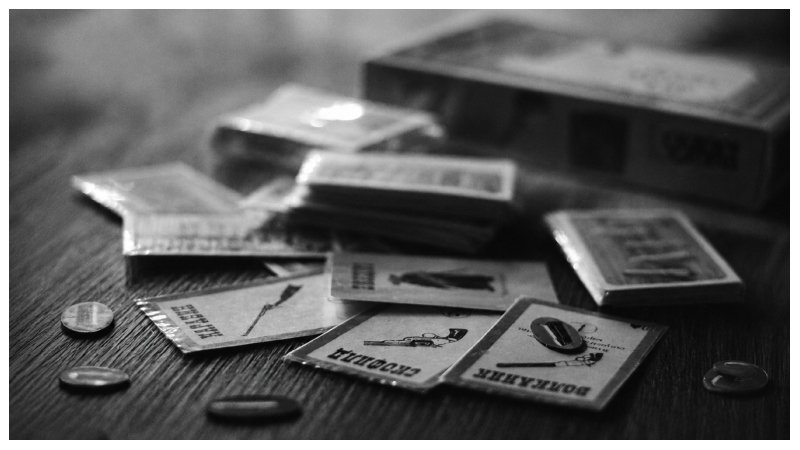
Collecting can be a rewarding hobby. Whether you’re interested in coins, comics, memorabilia, or trading cards, building a collection gives you the chance to learn more about your interests while enjoying the excitement of discovering new pieces. Like any hobby, though, it’s easy to get carried away if you dive in without a plan.
Card collecting is a great example. It combines nostalgia, entertainment, and the thrill of the hunt, but costs can add up quickly when every new release or rare card seems impossible to resist. The good news is that you don’t need to be an expert—or spend a fortune—to enjoy the hobby. By setting a budget, buying thoughtfully, and focusing on the cards and themes that genuinely interest you, you can build a collection that feels meaningful and enjoyable for years to come.
Why local shops matter
When you shop nearby, you usually get a better feel for what you’re buying. You can check the packaging, ask questions, and avoid the mystery of a blurry online photo that looks like it was taken during a snowstorm. Look up buy Pokémon Cards near me to quickly connect with shops or sellers that have these cards on sale. Local options can make the whole process easier and more comfortable, especially if you’re just getting started.
That matters even more when shipping delays, unexpected fees, or product availability can turn a simple purchase into a frustrating experience. Local card shops and resale stores can offer advantages that online listings can’t always match. You have the opportunity to compare sealed products and individual cards in person, inspect their condition for yourself, and make more informed buying decisions without relying solely on photos and descriptions.
There’s also a trust factor. Good local sellers often depend on repeat customers, so they’re more likely to care about fair pricing and decent service. That doesn’t mean every local deal is perfect, but being able to ask, inspect, and walk away is a pretty strong superpower.
Set a simple budget
You don’t need a giant budget to enjoy collecting. In fact, having a limit can make the hobby more fun because you’re choosing with purpose instead of grabbing everything shiny. A simple weekly or monthly amount works well. Even $20 to $50 a month can give you enough room to pick up a pack, a tin, or one card you really like.
Try splitting your budget into small buckets. You might use one part for sealed products and another for singles. That helps you avoid the classic collector trap of spending all your money on packs and then realizing the one card you wanted was available on its own for less.
If you’re buying for a child, a budget is even more helpful. It sets expectations and keeps the hobby exciting without turning each store visit into a boss battle. You can also make room for special occasions. Maybe regular months stay small, while birthdays or holidays allow a little extra.
The key is this: don’t chase every release. New sets show up often, and your collection doesn’t need to win a race.
Know what to buy
When you’re building a card collection, it’s helpful to understand the different types of products available. In the Pokémon hobby, for example, booster packs are often the grab-bag option. They’re fun, surprising, and perfect for collectors who enjoy the excitement of opening something random. At the same time, they’re also one of the easiest ways to spend money without necessarily getting the specific cards you were hoping to find.
Elite Trainer Boxes are bigger and usually feel more like a gift. They often include several packs plus extras, which can be nice if you want a solid starter bundle. Tins are similar in spirit. They’re popular with younger collectors because they look cool and feel like a treat.
Open Fame Person A Curated World Pulse Post Guarantee Explore Infoglobehub useful website learn more Reference Fameblogsmarvin Tips & Tricks look here Brightphere Guide — what to expect The Official Fameprofile Whitepaper Understanding the Notedprofile Explainer complete resource Businessbeaconnews Recognition quick overview Discover Techvanture Courses A Detailed Worldshinemag Customer Stories Understanding the Worldverses Guide Tech Fame Pro Tips for Enterprises An overview of Lucywell Insights A Quick Tophomeinsight Video Series The Premier Prohomeinsight Community Forum Worldpeakmag Guide — what to expect Top picks from Thekongotech Download Voozons Dashboard Learn more about Droven great tool Techfivers Courses for Designers See Urbanglowmatter Podcast Check out Daily Spark Magazine Open Worldcelebritymag Articles Meet Techfunpro Customer Stories The Trusted Businessdailyvibe Resource Center See Worldusmagazine Playbook Outclassmagazine Courses for Beginners An Award-Winning Prosuccessguide Framework Urbanfloracivic Strategy Guide Review Thefamefacts Stories A Professional Thevibepost Membership Understanding the Outclassinsight Resources Meet Techdailyvibes Academy free resource here Best of Homlywise An overview of Mintpaldecors Breakdown Homeydecors Software
Single cards are the most direct route. If you already know what you want, buying singles usually saves money and cuts down on disappointment. It’s a smart move for casual collectors who care more about favorite Pokémon than surprise pulls.
So ask yourself one question before you buy: are you collecting for fun, gifting, or actually planning to play? That answer will usually point you toward the right product faster than the package art ever will.
Spot fair local prices
A fair price isn’t always the lowest number you see on a listing. You also need to factor in shipping, taxes, seller fees, and whether the card is truly in the condition being advertised. A deal that looks cheap online can become much less appealing once the extra costs are added or the card arrives with more wear than expected.
That’s why comparing local and online pricing side by side helps. Check a few stores in your area, look at local marketplace listings, and then compare those with sealed product prices online. If a nearby shop is just a little higher, but you can inspect the item in person, that may still be the better deal.
For single cards, condition changes everything. A card with whitening on the edges or surface scratches may sell for less, even if it looks fine at first glance. Sealed products can vary too, especially if the box is dented or the wrap looks off.
You don’t need to become a pricing wizard overnight. Just compare a few options before buying. If a deal seems way too magical, it probably belongs in a cartoon episode.
Check the condition carefully
When you buy cards in person, take advantage of that moment and actually look at them. Start with the corners. Bent or whitening corners can lower the value and make a card feel more worn than it first appears. Then check the edges and surface. Light scratches, print lines, or scuff marks can be easy to miss under store lighting.
Centering matters too, even for regular collectors. If the border looks much thicker on one side than the other, the card may not be as visually appealing, and some buyers care a lot about that later. You don’t have to inspect like a scientist with a lab coat, but a careful glance goes a long way.
If you’re buying sealed items, inspect the wrapping and box condition. Look for tears, crushing, or signs that something feels tampered with. Most sellers are honest, but it never hurts to be alert.
For kids and casual fans, perfect condition may not matter every time. Still, knowing what you’re getting helps you pay a fair price and avoid that sinking feeling after you get home.
Store cards the right way
Once you start collecting, storage matters more than people think. Tossing cards into a drawer might feel harmless, but it’s a quick way to turn good cards into bent little waffles. The simplest protection is a sleeve. For cards you really like, use a sleeve and then a top loader or binder pocket.
Binders work well if you enjoy flipping through your collection. Just make sure the cards fit nicely and don’t slide around. Top loaders are better for individual cards you want to protect more carefully. You don’t need the fanciest supplies on earth. Basic, clean storage goes a long way.
A small storage box or binder on a shelf is often enough. The goal isn’t to build a museum. It’s just to keep your cards safe, flat, and looking good for the long haul.
Build a collection you enjoy
The best collections usually have personality. Maybe you love vintage-looking cards. Maybe you only collect Eevee evolutions. Maybe your child wants every card with a fire-type Pokémon because “they look cooler.” That’s valid. Your collection should make you happy, not just impress strangers on the internet.
A lot of people get pulled into hype, and sometimes that takes the fun out of the hobby. Expensive chase cards can be exciting, but they’re not the only thing worth owning. Some of the most satisfying collections are built around memories, favorite characters, or packs opened with family on a rainy Saturday.
There’s a social side too. Local events, card shops, and community meetups can make collecting feel more connected and less like a solo spending mission. You might trade, learn, or just chat with people who enjoy the same hobby.
If you keep your goals simple, your budget realistic, and your taste personal, collecting stays fun. And that’s kind of the whole point, even if Pikachu keeps tempting you otherwise. Click here for more information.